

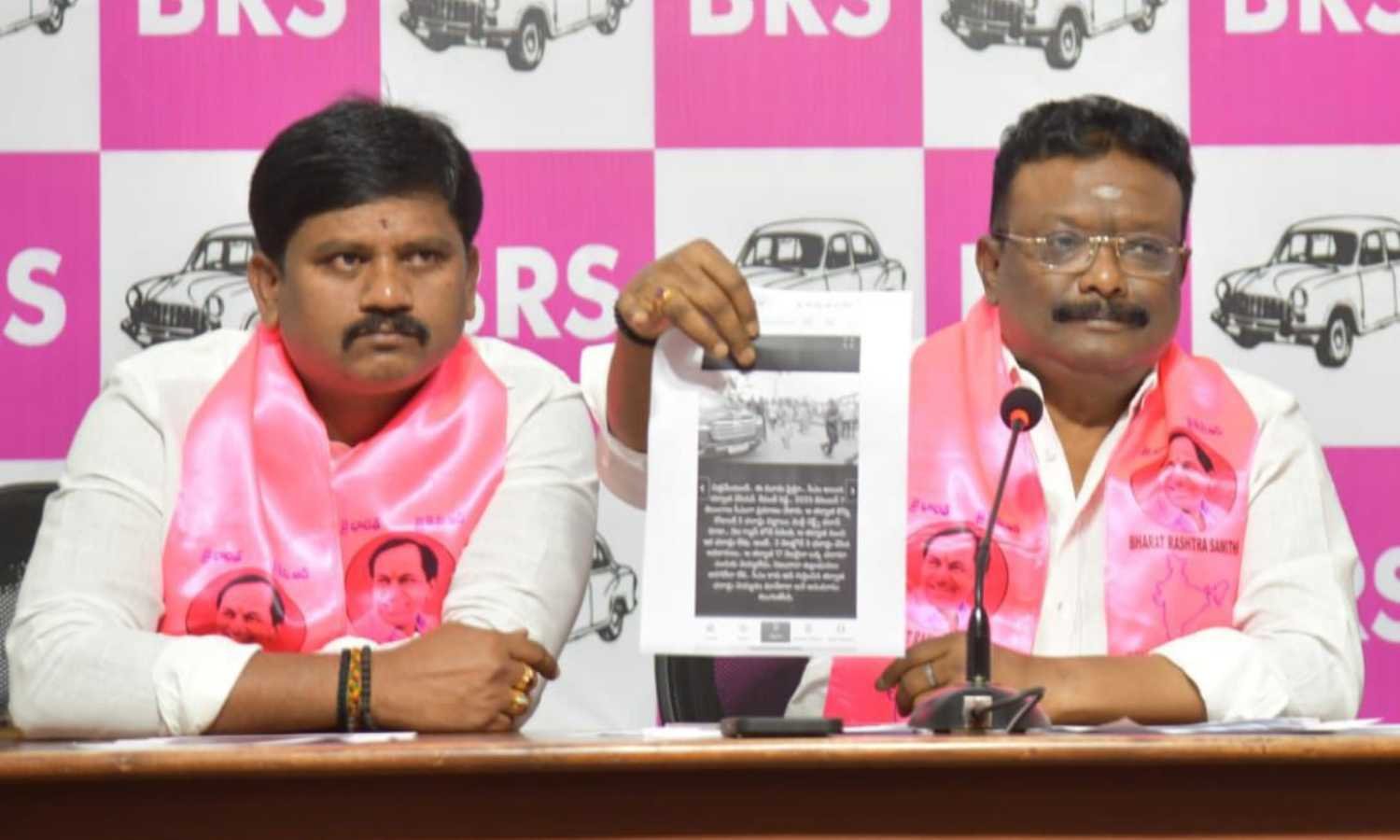
Hyderabad: The proposed system to recover traffic challans through automatic deductions from bank accounts has been termed a direct assault on constitutional protections and civil liberties. The initiative, attributed to the Telangana State Government, is being criticised for eroding democratic safeguards.
Traffic challans, by legal definition, constitute allegations rather than determinations of guilt. Citizens retain the right to challenge such notices, seek legal remedy, or present their case before a court.
Auto-Debit Traffic Challans Remove Citizens’ Legal Choice
By enforcing auto-debit, these procedural rights are effectively nullified. The proposal imposes financial penalties without judicial verification, raising grave legal objections.
The Constitution’s Article 21 and Article 300A provide explicit protection for life, liberty, and property. Funds maintained in personal bank accounts fall squarely within these protections. Any attempt to debit such funds without judicial sanction stands in violation of constitutional norms.
Banking operations are governed by central regulations, including those framed by the Reserve Bank of India, which disallow debits without consent or court approval. Moreover, banking being a central subject restricts unilateral state-level interventions.
The right to privacy, recognised by the Supreme Court of India in the Puttaswamy verdict, further strengthens objections to accessing bank details for traffic enforcement.
Under Section 200 of the Motor Vehicles Act, the choice to pay a challan or contest it legally rests solely with the citizen. Auto-debit eliminates this legislated option.
The proposal, critics argue, risks transforming lawful governance into coercive extraction. There is, therefore, an unequivocal call for its immediate withdrawal in favour of lawful and democratic enforcement methods.
